

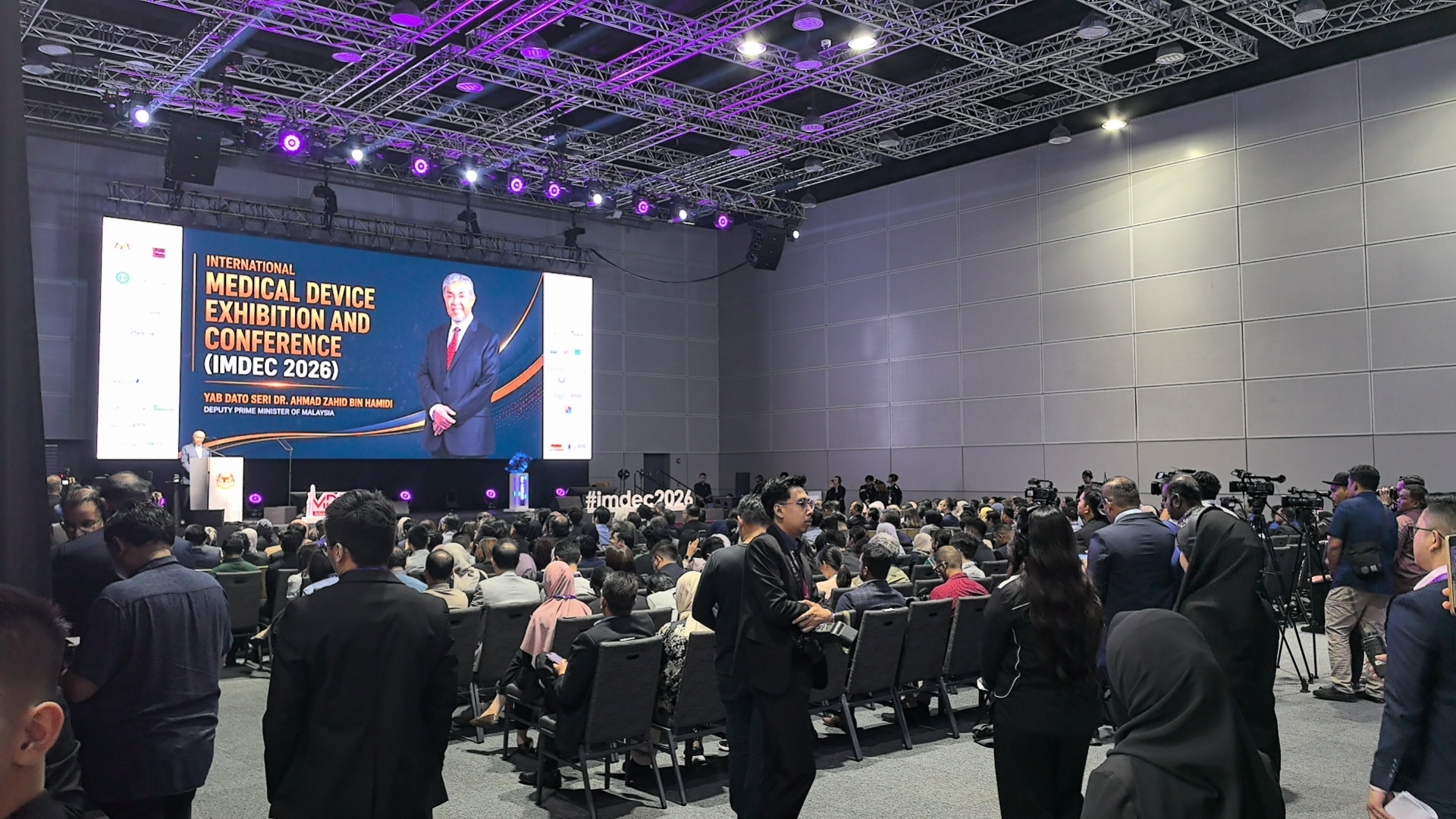
Health Gene Technologies (HGT) joined International Medical Device Exhibition & Conference 2026 (IMDEC2026) to connect with ASEAN region lab professionals and clinical partners across diagnostics and reproductive genetic health sectors.
We showcased our gold standard T2400 Sanger Sequencer (Genetic Analyzer) at the booth of our collaborative partner Origin Biotechnology Co., Ltd, bringing high performance capillary electrophoresis sequencing and fragment analysis solutions to the Southeast Asian reproductive genetics market.
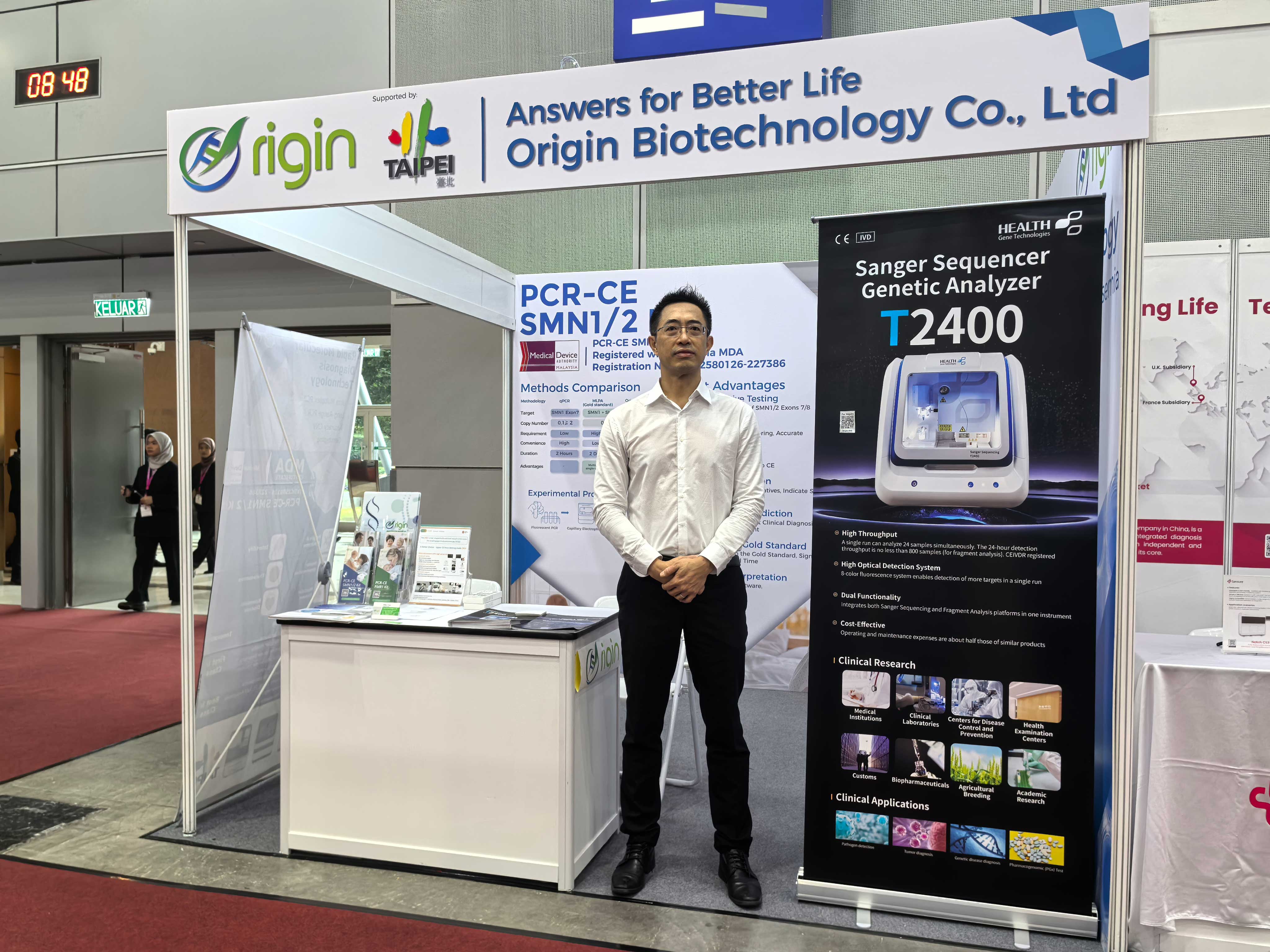
Built as the definitive clinical platform for Sanger sequencing and fragment analysis, the T2400 delivers irreplaceable analytical value in preconception risk assessment, eugenics screening, assisted reproduction, and prenatal & postnatal genetic disorder diagnosis. Compatible with a full spectrum of clinical detection reagents targeting common reproductive genetic disorders, the platform excels at resolving complex repeat expansions, copy number variations, and chromosomal aberrations — key genomic regions that cannot be fully characterized by short read NGS technology alone. As a result, T2400 based testing serves as the authoritative orthogonal validation and essential complementary workflow for NGS variant screening in clinical genetic laboratories worldwide.
Full reagent ecosystem of genetic disorders deployed on T2400 further extends clinical lab capability across key reproductive genetic use cases:
- FMR, SMA, DMD and ThaI Detection Reagents: Specifically designed for high confidence genotyping of core reproductive genetic disorders. The panel enables accurate sizing of FMR1 CGG repeat expansions for Fragile X syndrome, precise SMN1 copy number analysis for Spinal Muscular Atrophy (SMA), comprehensive exon deletion/duplication profiling for Duchenne Muscular Dystrophy (DMD), and targeted detection of ThaI associated pathogenic variants. These tests support systematic preconception carrier screening, precise prenatal risk stratification, and definitive postnatal confirmatory diagnosis, providing critical genomic evidence for clinical genetic counseling and personalized reproductive decision making.
- Rapid Aneuploidy Detection Kit: A validated in vitro diagnostic assay for rapid screening of numerical chromosomal abnormalities. It targets aneuploidies of chromosome 13, 18, 21, X and Y, covering the most prevalent fetal chromosomal disorders. Beyond core aneuploidy calling, this kit enables maternal cell contamination (MCC) assessment, a quality control step recommended by international clinical guidelines for invasive prenatal testing. MCC identification is a mandatory quality gate for chorionic villus and amniocyte specimen analysis, eliminating misleading results caused by maternal DNA contamination. The streamlined workflow integrates multiplex PCR amplification, capillary electrophoresis fragment separation and intelligent result interpretation, enabling fast, reliable screening for common chromosomal disorders in prenatal and preimplantation genetic testing scenarios.
- Male Factor Infertility Detection Kit: A specialized in vitro diagnostic assay for etiological analysis of male reproductive disorders. It qualitatively detects Y chromosome AZF microdeletions across AZFa, AZFb and AZFc regions, as well as sex chromosome aneuploidies including 47,XXY Klinefelter syndrome. Covering 15 AZF STS markers and 7 sex chromosome STR loci with standardized ZFX/Y internal control, this assay acts as a core auxiliary diagnostic tool for unexplained male infertility, optimizing clinical assisted reproduction treatment regimens such as ICSI.
- Pregnancy Loss Detection Kit: A targeted genetic testing solution for the etiological investigation of sporadic and recurrent miscarriage. Utilizing multiplex PCR STR capillary electrophoresis genotyping technology, the kit achieves precise qualitative detection of all autosomal trisomies, triploidy, and sex chromosome aneuploidies in chorionic villus specimens, clarifying the genetic causes of adverse pregnancy outcomes and guiding subsequent reproductive guidance.
Throughout IMDEC2026, our team engaged in in depth technical exchanges with laboratory directors, clinical geneticists and industry experts regarding standardized reproductive genetic disorder testing workflows, orthogonal verification strategies for multi platform genomic detection, and long term laboratory equipment deployment planning. Valuable clinical and market insights gathered at the exhibition will drive continuous product optimization and localized solution deployment across the ASEAN region.
HGT remains committed to empowering reproductive genetic diagnostic laboratories with high precision, stable and fully validated Sanger sequencing & fragment analysis integrated solutions, facilitating standardized and accurate diagnosis of reproductive genetic disorders in Southeast Asia.